
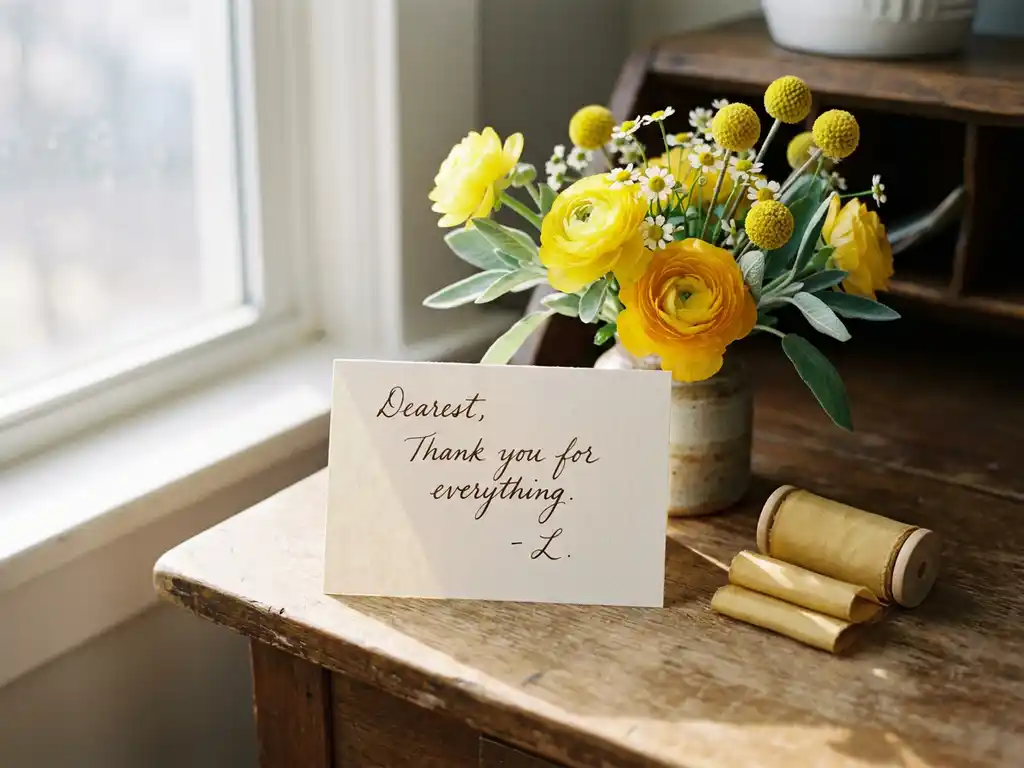
Showing appreciation to employees means recognising what someone contributes in a genuine and specific way: think personal feedback, flexibility, opportunities for growth, team recognition, and attention to wellbeing. The key lies not in expensive gestures, but in consistency and sincerity. In this article, we answer the most frequently asked questions about appreciation in the workplace, from the causes of feeling undervalued to how you can turn measurement into real action.
Why do employees feel undervalued?
Employees feel undervalued when their contribution goes unnoticed, when feedback is absent, or when compliments are generic and fleeting. The problem is rarely rooted in bad intentions, but almost always in a lack of structure and attention. Managers are busy, and as a result, recognition unconsciously slips into the background.
In conversations with HR professionals, we consistently hear the same signals: employees who say they only hear something when things go wrong, never when things go well. That pattern erodes engagement. People do not need grand words, but they do need the feeling that their work matters and that someone actually says so.
There are a few common causes:
- Feedback is one-directional: the manager evaluates, the employee receives.
- Recognition is incidental rather than structurally embedded in daily work.
- Compliments are vague ("good job") instead of specific and personal.
- Performance is rewarded, but effort and growth are ignored.
- Employees are not involved in decisions that affect their work.
When employees feel undervalued for an extended period, the likelihood of absenteeism and turnover increases. Engagement does not drop overnight — it erodes gradually. That is precisely why it is so important to identify warning signs early and not wait for the annual employee satisfaction survey.
What are effective ways to show appreciation to employees?
Effective appreciation is specific, timely, and tailored to the individual. There is no universal approach that works for everyone, but there are five methods that consistently make a difference: personal recognition, offering growth opportunities, granting autonomy, organising team celebrations, and demonstrating attention to wellbeing.
1. Personal and specific recognition
Clearly name what someone did well and explain why it contributes to the bigger picture. "You prepared that client presentation excellently — it won us the contract" is far more powerful than a generic "good work." Specificity makes recognition credible.
2. Growth opportunities as a form of appreciation
Investing in someone's development is one of the most powerful signals that you consider them valuable. Think of a training course, a challenging project, or a mentorship programme. People who see that their employer believes in them stay engaged longer and perform better.
3. Granting autonomy and trust
Employees who are given the space to make their own decisions feel taken seriously. Micromanagement has the opposite effect: it undermines the sense of competence. Giving trust is a quiet but powerful form of appreciation.
4. Team celebrations and shared successes
Celebrate successes as a team, not only at the individual level. A shared lunch after a successful project, a shout-out during the team meeting, or a simple thank-you email to the entire department strengthens mutual bonds and the sense of collective pride.
5. Attention to wellbeing and workplace happiness
Ask regularly how people are doing — not only about work, but also about the person. Flexible working hours, space for recovery, and a listening ear during stressful periods are concrete forms of appreciation that employees feel deeply. Measuring workplace happiness starts with genuine interest.
What is the difference between material and non-material appreciation?
Material appreciation encompasses tangible rewards such as salary, bonuses, gift vouchers, or extra days off. Non-material appreciation is about recognition, attention, trust, and opportunities for growth. Both forms are valuable, but research and practical experience show that non-material appreciation has a deeper and more lasting influence on engagement and workplace happiness.
Material rewards work well as a hygiene factor: if the salary is not right, everything is disrupted. But once basic needs are met, it is the non-material side that makes the difference. An employee who earns well but never feels seen will eventually disengage.
The pitfall with material appreciation is that it becomes expected. A bonus that recurs every year is soon taken for granted and loses its impact. Non-material appreciation — such as a genuine conversation or the space to grow — retains its value precisely because it is personal and not automatic.
The most effective approach combines both: a fair salary as a foundation, supplemented by consistent, sincere attention to the person behind the role.
How often should you express appreciation in the workplace?
Expressing appreciation works best when it is a habit, not an event. Do not wait for the annual review or an exceptional achievement. Small, frequent moments of recognition are more effective than large, rare gestures. As a rule of thumb: name at least one concrete thing that went well every week.
Frequency alone is not enough — it is the combination of regularity and sincerity that matters. Employees quickly see through forced compliments. Build appreciation into existing routines, such as a brief check-in conversation, a team meeting, or an informal walk.
A practical approach for managers:
- Start every weekly meeting with one concrete acknowledgement for a team member.
- Send a short personal message after a good conversation or completed project.
- During a check-in, ask not only "how is the work progressing?" but also "how are you doing?"
- Make appreciation visible within the team setting, not only one-on-one.
- Ask employees how they prefer to receive recognition, because this varies from person to person.
Organisations that structurally embed appreciation into their team culture see this reflected in higher engagement and lower turnover. It requires little time, but does demand conscious attention.
How do you measure whether employees feel appreciated?
You measure whether employees feel appreciated by listening regularly and accessibly through short pulse surveys, targeted questions about recognition and engagement, and by translating the outcomes into concrete actions per team. An annual employee survey provides a snapshot; continuous listening shows how the experience develops over time.
The essence of good measurement is not collecting scores, but understanding stories. An employee who gives a 6 in response to the question "Do you feel appreciated?" tells you that something is going on. But only when you know what is going on and why can you act on it. That is precisely where most organisations fall short: they measure, but do not act.
Concrete measurement methods include:
- Pulse surveys: short, frequent questionnaires (two to five questions) that gauge energy levels and the sense of recognition.
- eNPS (Employee Net Promoter Score): measures how likely employees are to recommend your organisation as an employer. A low eNPS is often a signal of insufficient appreciation.
- Driver analysis: maps which factors contribute most to the sense of appreciation, without complex statistics.
- Exit interviews and onboarding measurements: valuable moments to hear how employees experience the culture and recognition.
Measurement only makes sense if you act on it. Close the loop by feeding findings back to teams and managers, and show which actions you have taken. That trust — that you listen and follow through — is in itself already a form of appreciation.
How CYS Group helps measure workplace happiness
At CYS Group, we believe a score only has value when you understand what lies behind it. Our platform cx.management and our Employee Energy Pulse (EEP) make it possible to continuously listen to employees — from onboarding to exit — and to translate outcomes directly into actions per team.
Concretely, we offer:
- Short pulse surveys that fit into the working day, without survey fatigue.
- The Energy Pulse Score as a clear indicator of workplace happiness and engagement.
- A driver analysis that shows, without heavy statistics, which factors most influence the sense of appreciation.
- Team reports that managers can use directly — not only HR.
- Closed-loop follow-up so that employees see their feedback leads to action.
We work in compliance with GDPR and are ISO 27001-certified, ensuring anonymity and security are guaranteed. Would you like to move from an annual employee survey to an approach where you continuously know how employees feel and why? Then take a look at our employee survey platform or get in touch for a no-obligation conversation.
Make every experience count.
Frequently Asked Questions
Hoe ga ik als leidinggevende om met medewerkers die waardering moeilijk kunnen ontvangen of afwijzen?
Sommige medewerkers reageren ongemakkelijk op complimenten, bijvoorbeeld omdat ze het niet gewend zijn of omdat ze het als niet oprecht ervaren. Bouw in dat geval waardering geleidelijk op: begin met kleine, feitelijke observaties in een één-op-één setting in plaats van publieke erkenning. Vraag ook rechtstreeks hoe iemand het liefst erkend wordt, want dat verschil in voorkeur is groter dan je denkt en het stellen van die vraag is op zichzelf al een krachtig signaal van aandacht.
Wat als mijn organisatie een cultuur heeft waarin waardering tonen als 'soft' of onnodig wordt gezien?
Begin dan met het koppelen van waardering aan concrete bedrijfsresultaten: lagere uitstroom, hogere productiviteit en minder verzuim zijn harde cijfers die zelfs de meest resultaatgerichte cultuur aanspreken. Introduceer waardering subtiel via bestaande structuren, zoals een vaste opening in het weekoverleg, zodat het geen apart 'feelgood-initiatief' wordt maar gewoon onderdeel van hoe het team werkt. Verandering van cultuur begint met kleine, consistente gedragsverschuivingen, niet met grote programma's.
Hoe zorg ik ervoor dat waardering niet als favoritism wordt gezien binnen een team?
Maak waardering transparant en structureel: als iedereen weet dat je wekelijks een concrete bijdrage benoemt, voelt het minder als willekeur en meer als een eerlijk patroon. Zorg dat je over een langere periode alle teamleden evenredig erkent en varieer bewust tussen individuele en teamerkenning. Koppel complimenten altijd aan specifiek gedrag of een concreet resultaat, niet aan de persoon in het algemeen, zodat het objectiveerbaar blijft.
Kunnen kleine teams of zzp'ers ook profiteren van deze aanpak, of is dit alleen relevant voor grote organisaties?
Absoluut, waardering is net zo relevant in kleine teams of bij freelancesamenwerking. Voor kleine teams geldt juist dat elke persoon een groter aandeel heeft, waardoor het gemis van erkenning sneller voelbaar is. Een oprechte bedankmail na een gezamenlijk project, het actief doorverwijzen van een zzp'er naar nieuwe opdrachtgevers of het uitspreken van vertrouwen in iemands aanpak zijn laagdrempelige maar krachtige vormen van immateriële waardering die geen groot systeem vereisen.
Hoe voorkom ik dat pulseonderzoeken na verloop van tijd worden ingevuld zonder dat medewerkers er nog echt bij nadenken?
Enquêtemoeheid ontstaat wanneer medewerkers het gevoel hebben dat hun input toch niets verandert. De oplossing zit niet in kortere vragenlijsten alleen, maar in zichtbare opvolging: communiceer na elke meting wat je hebt gehoord en welke actie je onderneemt, hoe klein ook. Varieer daarnaast de vragen licht per ronde zodat het niet een mechanisch ritueel wordt, en houd de frequentie realistisch, liever tweewekelijks met echte opvolging dan wekelijks zonder.
Wat zijn veelgemaakte fouten bij het implementeren van een waarderingsprogramma?
De grootste fout is waardering behandelen als een eenmalig project in plaats van een doorlopende gewoonte: een 'waarderingsweek' per jaar heeft nauwelijks duurzaam effect. Een tweede veelgemaakte fout is het standaardiseren van erkenning, zoals een automatische verjaardagsmail of een vaste bonus, zonder persoonlijke aandacht, waardoor het juist onoprecht aanvoelt. Tot slot onderschatten veel organisaties het belang van training voor leidinggevenden: waardering geven is een vaardigheid die je kunt leren en oefenen, geen aangeboren eigenschap.
Hoe koppel ik de uitkomsten van een medewerkersonderzoek terug aan het team zonder dat het een negatieve of beschuldigende sfeer creëert?
Presenteer uitkomsten altijd als gedeelde informatie, niet als een rapport over wat er 'mis' is: gebruik formuleringen als 'dit vertelt ons waar we samen kunnen groeien' in plaats van 'dit zijn de problemen.' Betrek het team actief bij het zoeken naar oplossingen door in kleine groepen te bespreken wat er nodig is, zodat medewerkers eigenaarschap voelen over de uitkomst. Transparantie en co-creatie zijn de sleutel: als mensen zien dat hun stem leidt tot echte verandering, groeit het vertrouwen in het proces én in de leidinggevende.





